One of the most pressing issues facing the globe today is climate change, which is driving up demand for experts who can create sustainable solutions. To address environmental issues like rising temperatures, biodiversity loss, renewable energy development, disaster risk reduction, and climate adaptation, governments, international organizations, private companies, research institutions, and non-governmental organizations are increasing their recruitment efforts. As a result, 2026 offers exceptional job chances for people looking for fulfilling work while supporting environmental conservation on a worldwide scale. Both technical and non-technical positions are being advertised in Africa, Europe, North America, Asia, and the Middle East.
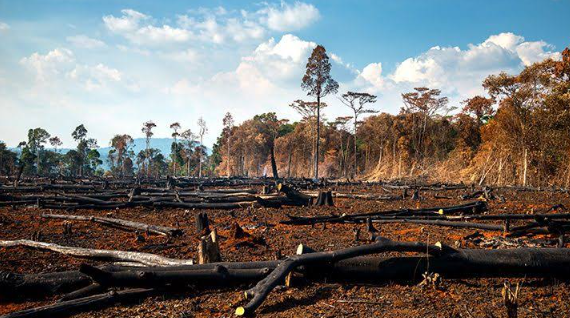
Why Careers in Climate Change Are Expanding Quickly
Globally, nations are making significant investments in carbon reduction, climate finance, sustainable agriculture, clean energy, and environmental preservation. The need for specialists who can assist sustainable development and climate resilience projects has expanded due to international climate obligations.
To help accomplish national climate goals, enhance readiness for disasters, and adopt green technologies, many firms are hiring expertise. Government agencies, development banks, research institutions, consulting firms, and environmental organizations are all seeing an increase in employment prospects due to climate change.
2026’s Top Career Opportunities in Climate Change
Expert in Climate Change
Strategies that lower greenhouse gas emissions, increase climate resilience, and promote sustainable development policies are created by climate change specialists. They create environmental initiatives and climate action plans in collaboration with governments, non-governmental groups, and international organizations.
Consultant for the Environment
Environmental consultants provide businesses and governmental organizations with advice on sustainability efforts, pollution management, environmental regulations, and environmental impact assessments. This line of work blends practical problem-solving skills with scientific understanding.
Officer of Climate Finance
Funding for programs aimed at mitigating and adapting to climate change is overseen by climate finance officers. For environmental initiatives supported by donors, they create project ideas, keep an eye on budgets, and guarantee financial compliance.
Engineer for Renewable Energy
Solar, wind, geothermal, and hydroelectric energy systems are developed by renewable energy engineers. Their efforts aid in the switch from fossil fuels to more sustainable and clean energy sources.
Manager of Sustainability
By increasing resource efficiency, cutting waste, and adopting ecologically friendly corporate practices, sustainability managers assist firms in lessening their environmental effect.
Officer for Disaster Risk Reduction
In order to lessen the consequences of floods, droughts, storms, and other climate-related disasters, these experts create emergency preparedness strategies, increase community resilience, and organize disaster response initiatives.
Companies Hiring Climate Experts
Climate specialists are often hired by numerous international organizations all year round. Opportunities are frequently encountered with:
: United Nations organizations: Banks for development: Environmental NGOs: Research organizations: Ministries of government: Businesses that provide renewable energy
Additionally, a lot of companies have jobs relating to climate change that are remote and hybrid, enabling individuals to work from different parts of the globe.
Competencies Employers Seek
Employers in the climate sector look for applicants that possess both professional and technical abilities, such as:
Technical Proficiency: Adaptation to climate change: Evaluation of the environmental impact Systems for Geographic Information (GIS): Analysis of climate data: Carbon accounting, sustainable agriculture, and renewable energy technologies
Soft Skills: Leadership, communication, critical thinking, report writing, teamwork, and problem-solving
These positions are especially competitive for professionals with backgrounds in data analysis, environmental science, engineering, economics, public policy, or sustainable development.
Requirements for Education
The majority of jobs related to climate change require one or more of the following credentials:
: Environmental Science bachelor’s degree in climate change studies Civil engineering, geography, ecology, and renewable energy engineering Science of Agriculture
A master’s degree or substantial work experience in climate-related projects are frequently prerequisites for senior roles.
Sectors of Employment
Climate experts work in a variety of industries, such as:
Government
Environmental officers, policy analysts, conservationists, and specialists in climate adaptation are hired by government departments.
International Associations
Experts in disaster risk reduction, environmental management, and climate resilience are sought after by development and humanitarian aid organizations.
Private Industry
In order to comply with environmental regulations and lower emissions, mining corporations, engineering firms, renewable energy companies, and sustainability consultancies are hiring more people.
Institutions of Research
Scientists, researchers, and climate analysts are employed by universities and research facilities to enhance knowledge of environmental issues and create novel solutions.
Expectations for Salary
Careers in climate change offer competitive pay that varies based on location, experience, and certifications.
While experienced specialists, consultants, engineers, and project managers frequently make much higher salary, entry-level professionals typically receive appealing starting rates. Additional benefits including health insurance, relocation support, pension contributions, professional development opportunities, and travel allowances are often offered by international organizations.

How to Increase Your Employment Prospects
Candidates can improve their ability to compete by:
: Acquiring relevant volunteer or employment experience: Obtaining qualifications in project management or sustainability
- Acquiring knowledge of environmental data analysis software and GIS: Developing effective report-writing abilities: Taking part in climate research projects: Developing communication skills in English: Making connections through professional associations and environmental conferences: Keeping up with emerging technologies and global climate policies
In the quickly changing climate sector, ongoing education and real-world experience continue to be crucial advantages.
In 2026, jobs related to climate change are expected to grow at one of the quickest rates. The need for qualified workers is growing as governments, corporations, and international organizations increase their investments in climate resilience, renewable energy, and environmental preservation. There are many chances to develop a fulfilling career while making a positive impact on a more sustainable future, regardless of your background in research, engineering, finance, policy, communications, or project management. In order to find new positions and submit compelling applications before deadlines, job seekers should routinely check credible climate career portals and international organization recruitment pages.