Develop a Meaningful Career Safeguarding Communities and Enhancing Public Health
One of the most crucial tasks for non-governmental organizations (NGOs) worldwide is the management of health risks. NGOs depend on qualified professionals to protect vulnerable communities in a variety of ways, from avoiding disease outbreaks and reacting to humanitarian situations to improving mental health and bolstering healthcare systems. Opportunities for employment in health risk management are growing throughout Africa, Asia, Europe, and other countries as governments and foreign partners continue to fund public health initiatives.
NGO positions give the chance to create a lasting influence while developing a fulfilling professional career, regardless of your experience level as a public health specialist, healthcare worker, or young graduate.
The Reasons NGOs Hire Experts in Health Risk Management
Natural catastrophes, infectious diseases, population increase, conflicts, and climate change all contribute to the ongoing evolution of health risks. By putting policies in place that lower these risks and increase access to healthcare services, NGOs play a vital role in assisting communities and governments.
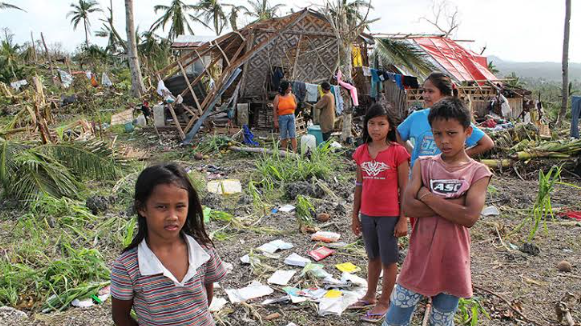
Companies use competent experts to:
: Stop the spread of illness.
: Make community health education better.
: Address crises and catastrophes.
: Make healthcare systems stronger.
: Carry out medical research.
: Encourage immunization campaigns.
In addition to enhancing long-term health outcomes, professionals in these positions assist communities in becoming more resilient.
NGO Job Types in Health Risk Management
Officer of Health Risk Management
Health Risk Management Officers conduct assessments, create preventative plans, identify possible dangers to public health, and organize emergency response actions.
Typical duties consist of:
: Identification and analysis of risks.
: Planning for emergency preparedness.
: Keeping an eye on disease patterns.
: Creating mitigation plans.
: Working with partners in healthcare.
: Creating reports on health risks.
Officer of Public Health
Programs that reduce avoidable diseases and enhance community health are created and carried out by public health officers.
Their responsibilities frequently consist of:
: Education about community health.
: Monitoring of diseases.
Coordination of vaccinations.
: Campaigns to promote health.
: Gathering and reporting data.
An epidemiologist
In order to assist NGOs in averting future health crises, epidemiologists look at disease trends, pinpoint epidemic reasons, and offer advice.
Manager of Health Programs
Program managers supervise health initiatives from conception to execution and assessment.
Among their duties are:
: Management of the budget.
: Employee oversight.
: Reporting donors.
: Tracking the success of the project.
: Organizing stakeholders.
Monitoring and Assessment (M&E) Expert
M&E specialists gather, examine, and evaluate program data to make sure health initiatives have quantifiable outcomes.
Emergency Response Coordinator
During disease outbreaks, floods, droughts, conflicts, and other public health catastrophes, these specialists plan quick humanitarian responses.
Requirements for Qualifications
The majority of NGOs look for applicants with experience in:
: Public Health
: Nursing
: Medication
: Health of the Environment
: Administration of Health
: Epidemiology
: Public Health
While entry-level employment usually require a bachelor’s degree, advanced ones frequently demand a master’s degree.
Essential Skills Employers Look for
Successful candidates demonstrate both strong interpersonal and technical abilities.
Crucial abilities consist of:
Communication Proficiency
Professionals need to communicate effectively with government officials, donors, healthcare providers, and communities.
In charge
Coordinating field operations and managing teams are common tasks in NGO jobs.
Solving Issues
Making decisions quickly under duress is frequently necessary in medical emergencies.
Analysis of Data
In order to make evidence-based decisions, candidates should be able to gather, evaluate, and interpret health information.
Management of Projects
For many NGO jobs, managing finances, schedules, and project goals is crucial.
Cultural Sensitivity
Employees of NGOs must respect local traditions and customs because they constantly interact with varied people.
Collaboration
Multidisciplinary cooperation between medical professionals, governmental institutions, and community groups is essential to health programs.
Shared Obligations
Professionals may be in charge of the following, depending on the organization:
: Performing evaluations of community health.
: Recognizing new health hazards.
: Creating preventative measures.
: Putting together awareness programs.
: Organizing immunization campaigns.
: Working together with government agencies.
: Endorsing humanitarian efforts.
: Assessing the success of the initiative.
Where NGOs Offer Health Risk Jobs
Health risk management specialists are employed by:
: Global NGOs
: Regional NGOs
: Foundations of public health
: Disaster relief agencies
: Charities that provide medical care
: Organizations that promote community development
: International organizations for development
There are plenty of jobs available in emergency response situations, rural areas, metropolitan areas, and refugee camps.
Expectations for Salary
The organization, nation, donor funds, and degree of experience all affect compensation.
Factors influencing salaries include:
: Educational credentials.
: Years of work experience.
: Technical expertise.
: Leadership duties.
: Proficiency in language.
International NGOs frequently offer extra advantages like:
: Health insurance.
: Contributions to pensions.
: Allowances for housing.
: Support for travel.
: Possibilities for professional growth.
: The yearly leave.
: When appropriate, field hardship allowances.
Opportunities for Professional Development
NGOs offer great chances for long-term professional growth. Professionals can advance in positions like:
: A health assistant
: Project Manager
: Officer of Public Health
: Expert in Health Risk
: Coordinator of the Program
: Manager of the Health Program
: National Health Consultant
Career advancement can be greatly accelerated by ongoing training and real-world experience.
How to Write a Powerful Application
The following should be included in a competitive application:
Professional Resume
Emphasize your training, credentials, technical expertise, professional background, volunteer activity, and quantifiable accomplishments.
Letter of Cover
Describe why you want to work in health risk management, show that you comprehend the organization’s goals, and explain how your qualifications fit the position.
Professional References
Most NGOs require references from previous employers, instructors, mentors in the field, or supervisors.
Certifications That Are Relevant
Your application may be strengthened by additional certifications, such as:
: First Aid
: Risk Management for Disasters
: Observation and Assessment
: Management of Projects
: Prevention and Management of Infections
: Safety and Health
Advice on Getting a Job with an NGO
To increase your work prospects:
: Get experience volunteering or working as an intern for health-related groups.
: Develop excellent communication and analytical abilities.
: Keep up with the latest developments in public health.
: Acquire knowledge of data management and project management tools.
: Make connections with experts in the public health and nonprofit sectors.
: Keep learning through professional certifications, online courses, and workshops.
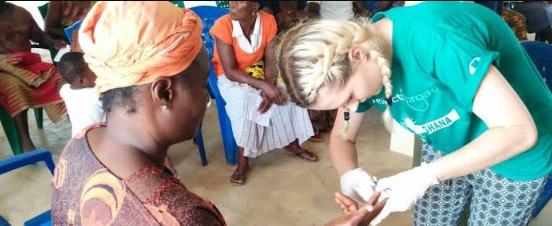
Careers in health risk management for non-governmental organizations offer a great chance to enhance people’s lives while developing a fulfilling career. Organizations are looking for skilled workers that can recognize hazards, carry out successful interventions, and improve healthcare systems as global health issues continue to change. You can establish a rewarding career in health risk management and contribute to safer, healthier, and more resilient societies globally with the correct education, real-world experience, and dedication to serving communities.